Skull Fashion
Skull Outfits for Women: Occasion and Intensity Guide
Build a skull outfit by choosing the setting first, giving one skull piece the lead, and balancing its visual intensity with simpler shapes, colors, and accessories. The useful question is not whether an outfit is “feminine enough,” but how expressive you want it to feel and where you plan to wear it.
Outfit rule
Choose occasion, intensity, then focal piece
Decide where you are going, set the look to subtle, balanced, or bold, and let one garment or accessory carry the skull motif.
Start with a decision
Set the outfit’s visual volume
A small embroidered skull, tonal print, or single ring creates a subtle accent. A medium graphic tee or patterned skirt makes a balanced focal point. A large high-contrast print, allover motif, or skull-covered outer layer reads as bold. Once you choose that level, keep the other pieces quieter instead of adding skulls everywhere.
This page is about assembling complete looks for different situations. It does not replace the broader principles in the Skull Fashion hub, and it does not judge the fit, fiber content, or construction of a specific shirt. Those details must come from the individual garment’s measurements, label, and product information.
Use this occasion-by-intensity outfit matrix
| Setting | Subtle | Balanced | Bold |
|---|---|---|---|
| Casual day | Plain tee, jeans, and one skull accessory | Skull tee, straight jeans, and simple sneakers | Oversized skull top, clean leggings or wide-leg pants, and solid shoes |
| Workplace with flexible dress rules | Tonal skull blouse under a blazer | Small-motif knit with tailored pants | Save the largest graphic for an outer layer you can remove if needed |
| Concert or night out | Black dress with a skull pendant | Skull top, dark denim, boots, and one metal accent | Statement skull jacket over a simple column of black |
| Cool-weather weekend | Neutral coat with a skull scarf | Skull sweater, dark jeans, and ankle boots | Graphic outer layer with a solid base and restrained accessories |
Treat the matrix as a planning tool, not a dress code. Workplace, school, venue, and event expectations differ, so adjust coverage and graphic intensity to the actual setting.
Balance the silhouette around the focal piece
Relaxed skull top
Pair it with a straighter bottom, define the waist with a partial tuck if desired, or add a shorter structured layer. The aim is a readable shape, not a gendered rule.
Fitted or cropped skull top
Try higher-rise trousers, a full skirt, or an open overshirt. Choose coverage and proportions that suit your comfort and the setting.
Skull dress or jumpsuit
Let the one-piece silhouette carry the look. Add a plain jacket, coat, or cardigan rather than another competing graphic.
Statement outer layer
Keep the visible base relatively simple so the back panel, embroidery, or large print stays legible when the layer is open or closed.
Repeat color or texture instead of repeating the skull
A look feels connected when one visual detail appears twice. Pull white from a skull graphic into the shoes, repeat silver-tone hardware in one ring, or echo a faded print with washed denim. Leather, canvas, denim, mesh, and knitwear can add contrast without introducing another motif.
Black is an easy base, but it is not mandatory. Charcoal, cream, burgundy, olive, dark blue, and muted purple can support skull imagery while changing the mood. If the graphic already uses several colors, choose one of them for a small accent and keep the remaining garments solid.
Choose accessories by scale, not by gender labels
Compare an accessory with the size of the garment graphic. A large skull print usually needs only a narrow chain, small earrings, a single ring, or a plain bag. A tiny tonal motif leaves more room for a larger cuff, pendant, or textured boot. If several accessories are important to you, distribute them rather than stacking every high-impact piece near the face and neckline.
Product categories labeled for women do not guarantee a particular fit or proportion. Use dimensions and your own preferences instead of assuming that a gender label determines the right scale.
Run a one-minute outfit edit
- Name the setting and any dress restrictions.
- Identify the single skull focal point.
- Choose subtle, balanced, or bold intensity.
- Check whether the top and bottom create the proportion you want.
- Repeat one color, finish, or texture.
- Remove one item if two graphics or oversized accessories compete.
Photographing the outfit or viewing it in a full-length mirror can make competing focal points easier to notice. This is an editing method, not a claim that one body shape requires one silhouette.
Common questions
Can a skull outfit look polished?
Yes. Use a clean silhouette, limited palette, structured layer, and well-maintained footwear, then let one skull detail provide the contrast.
Do women’s skull outfits have to be gothic?
No. Fit, color, fabric, and styling can move the same motif toward streetwear, biker-inspired, vintage, minimalist, or gothic directions.
How many skull pieces should be in one outfit?
There is no fixed number, but one focal skull piece is the easiest starting point. Add another only when it is smaller or lower contrast and clearly supports the first.
Sources and method
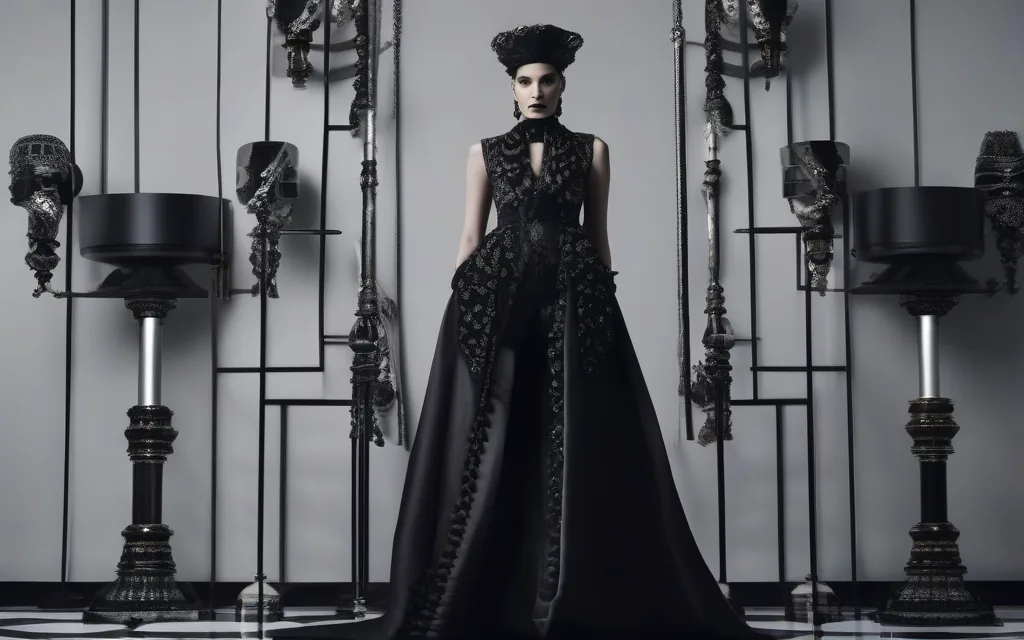
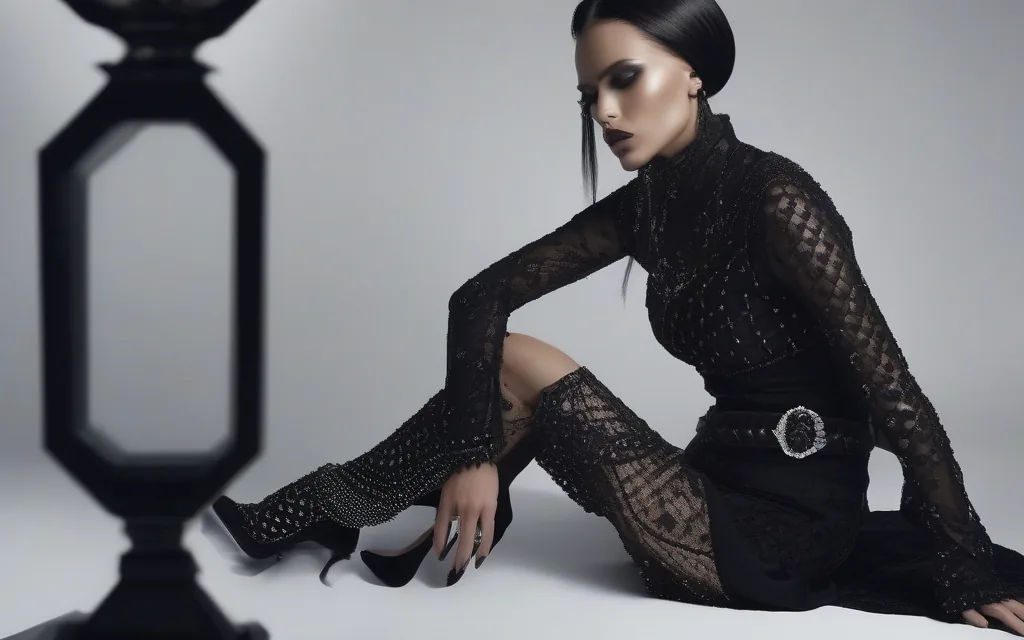
This editorial guide applies a transparent occasion–intensity–focal-piece framework. It was not based on wearing or testing a specific garment, and the assigned images are editorial illustration rather than evidence of fit. For garment-specific care, follow the sewn-in label; the U.S. care-label requirement appears in the Federal Trade Commission’s Care Labeling Rule, 16 CFR Part 423.
Read next
Choose the garment category behind the outfit
Use the fashion hub for broader styling territory, or move to the shirt hub when cut, sleeve, fabric, and garment measurements become the deciding factors.