Sugar skulls, Día de Muertos and respectful skull art
Sugar Skulls
Sugar skulls are colorful, symbolic and often connected to Día de Muertos. They are not the same as generic Halloween skulls. A sugar skull can represent memory, celebration, family, art and cultural tradition when it is understood and used respectfully.
Respect rule
Sugar skulls are not just “spooky skulls.”
Treat sugar skull imagery as culturally meaningful, not as random horror decor. Keep it separate from gore, shock imagery and generic Halloween language.

Start here
What Are Sugar Skulls?
Sugar skulls are decorative skulls commonly associated with Día de Muertos, also known in English as Day of the Dead. They are often colorful, floral, patterned and expressive. Unlike horror skulls, sugar skulls are usually connected to remembrance, celebration, family, offerings and the honoring of loved ones who have died.
The term can refer to actual sugar skulls placed on ofrendas, but it is also used for sugar skull art, makeup, tattoos, prints, decorations, jewelry, shirts and other visual designs. The style is recognizable because it blends skull imagery with color, ornament, flowers, symmetry and symbolic details.
At Of Skulls, sugar skulls are treated as a separate category from Halloween skulls. We focus on meaning, respectful styling, art, decor and visual inspiration. We avoid gore, real human remains, medical anatomy content and shock-based use of skull imagery.
The Of Skulls approach
Colorful does not mean casual or careless.
Sugar skulls are beautiful because they combine contrast: skull imagery with flowers, bright color, memory, celebration and symbolic decoration. That combination deserves context. The goal is not to flatten sugar skulls into generic Halloween graphics.
When using sugar skull designs in decor, art or style, keep the tone respectful, avoid gore and understand the difference between cultural symbolism and costume-only styling.
Meaning
Sugar Skull Meaning
Sugar skull meaning is often connected to remembrance rather than fear. In Día de Muertos traditions, skull imagery can represent the presence of loved ones who have passed away, the cycle of life and death, and the idea that memory can be colorful, personal and full of affection.
This is why sugar skulls often look bright instead of frightening. Flowers, color, decorative lines, names, patterns and symmetrical details help turn the skull into a symbol of memory and celebration rather than horror.
That meaning matters for SEO and for users. People searching for sugar skulls may be looking for art, makeup, decor, costume inspiration or cultural meaning. A strong page should help them understand the difference before showing ideas.
Main uses
Sugar Skull Ideas

Sugar Skull Art
Sugar skull art often uses color, flowers, symmetry and ornament to turn the skull into a visual symbol of memory and celebration.
Explore skull art →
Sugar Skull Decor
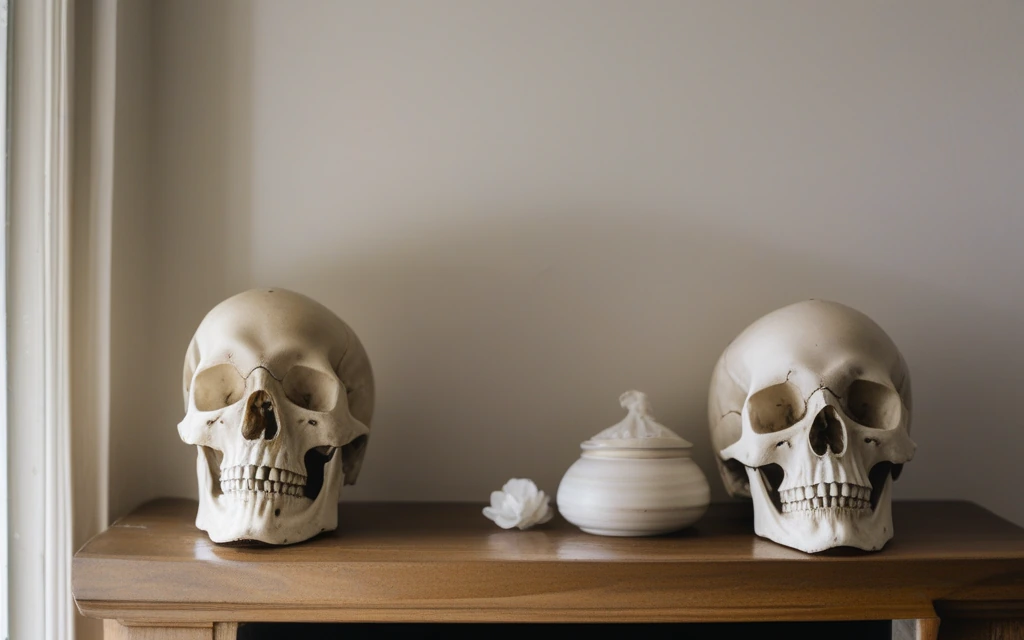
Sugar skull decor can work as wall art, table accents, seasonal displays, framed prints or colorful decorative details.
Explore skull decor →
Sugar Skull Makeup and Style
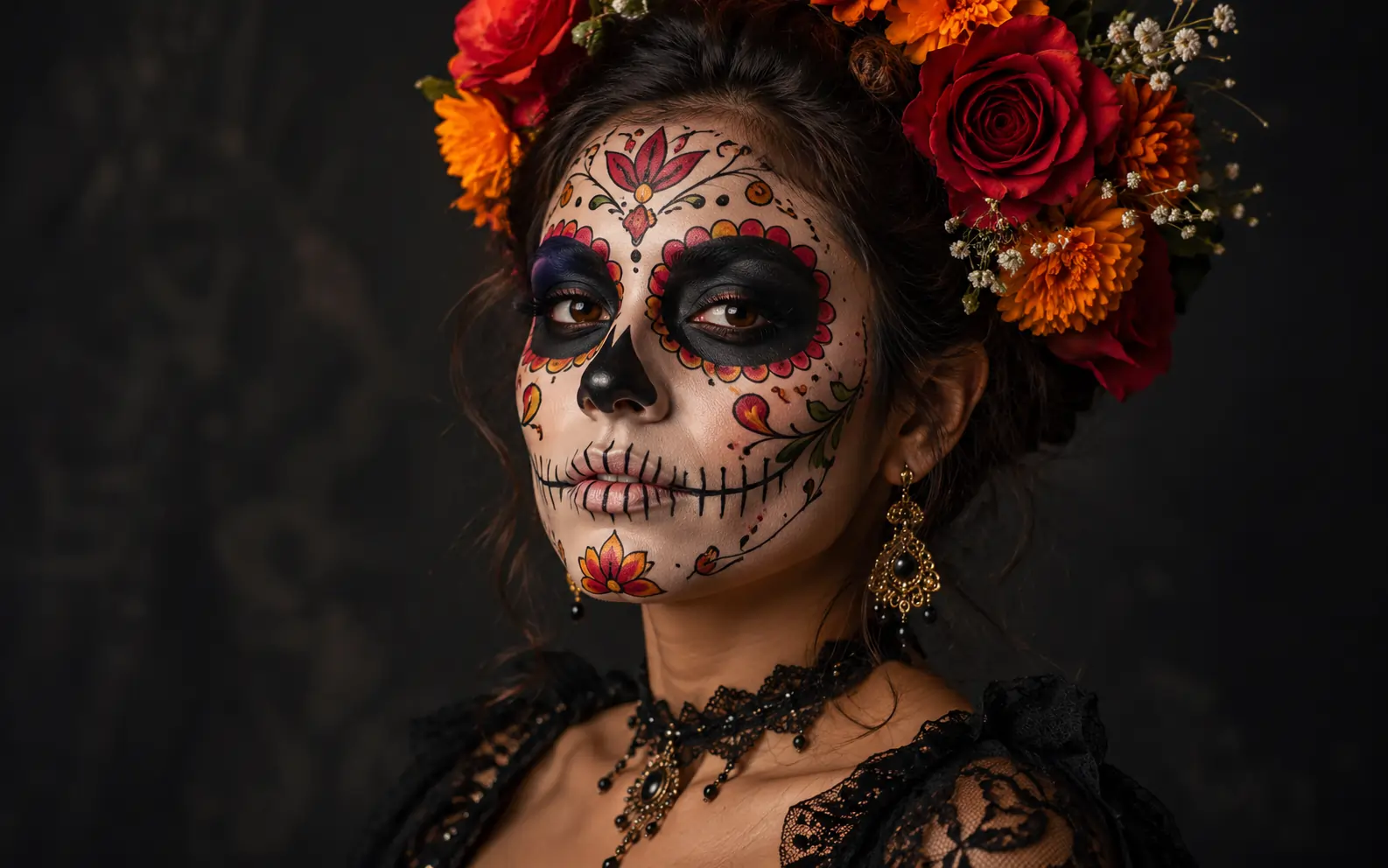
Sugar skull makeup can be visually powerful, but it should be approached with cultural awareness instead of generic costume language.
Explore skull fashion →
Respectful context
Sugar Skulls vs Halloween Skulls
Sugar skulls and Halloween skulls both use skull imagery, but they do not carry the same meaning. Halloween skulls are usually spooky, seasonal, haunted or theatrical. Sugar skulls are often connected to Día de Muertos, remembrance, celebration and cultural tradition.
This difference matters because the wrong framing can make sugar skull imagery feel careless. A sugar skull does not need fake blood, horror props or shock language. It is already visually powerful through color, pattern and symbolism.
| Topic | Sugar skulls | Halloween skulls | Best internal guide |
|---|---|---|---|
| Main meaning | Memory, celebration, Día de Muertos, family and symbolism | Spooky style, seasonal decor, costumes and Halloween atmosphere | Halloween Skulls |
| Visual style | Colorful, floral, decorative, symmetrical and expressive | Dark, haunted, gothic, theatrical or eerie | Skull Art |
| Best use | Art, respectful decor, cultural learning, symbolic design | Seasonal decor, porch displays, costumes, Halloween outfits | Skull Decor |
| What to avoid | Gore, mockery, generic horror framing, careless costume language | Clutter, fake gore, cheap shock props, messy styling | Skull Fashion |
Decor
Sugar Skull Decor Ideas
Sugar skull decor can be colorful, expressive and artistic. It works best when the display has intention: a clear color palette, floral details, respectful placement and enough space for the design to feel meaningful rather than cluttered.
Framed sugar skull art
A framed sugar skull print can work as a colorful focal point in a dark room, especially when paired with black, wood, flowers or warm lighting.
Table accents
Sugar skull figures, candles or small decorative pieces can add color to a table, shelf or seasonal display when used with restraint.
Floral details
Flowers are strongly associated with sugar skull visuals. Floral accents can soften skull imagery and make the display feel more symbolic.
Color control
Bright colors work best when they are organized. Choose a palette instead of mixing every color randomly.
Style and makeup
Sugar Skull Makeup and Costume Notes
Sugar skull makeup is one of the most searched and most recognizable uses of sugar skull imagery. It can be beautiful, detailed and expressive, but it should not be treated as just another scary costume. The design is often connected to Día de Muertos symbolism, so the tone should be respectful.
If you use sugar skull makeup, avoid fake gore, horror wounds or language that turns the look into a monster costume. Focus on symmetry, flowers, color, clean lines and visual respect. A sugar skull look can be dramatic without becoming disrespectful.
For clothing, a sugar skull shirt, colorful accessory or decorative piece can work within skull fashion, but it should be separated from generic Halloween shock styling.
How to use them
How To Use Sugar Skull Designs Respectfully
Understand the context
Before using sugar skull imagery, understand its connection to Día de Muertos, remembrance and celebration. Context helps prevent careless use.
Do not mix it with gore
Sugar skulls do not need blood, wounds or horror effects. Color, flowers and pattern are already visually strong.
Separate it from generic Halloween
Sugar skulls may appear around the same season as Halloween, but they should not be described as the same thing.
Use respectful language
Avoid language that mocks, stereotypes or reduces sugar skulls to a trend. Keep the tone clear, careful and appreciative.
Visual guide
Sugar Skull Style Guide
| Use case | Good approach | Better tone | What to avoid |
|---|---|---|---|
| Sugar skull art | Color, floral detail, clean patterns, symmetry | Artistic and respectful | Calling it horror art by default |
| Sugar skull decor | Framed prints, table accents, flowers, warm light | Decorative and meaningful | Mixing with fake blood or shock props |
| Sugar skull makeup | Symmetry, clean lines, color, flowers | Celebratory and careful | Turning it into a gore costume |
| Sugar skull clothing | Graphic shirt, accessory or colorful detail | Style-aware and informed | Using it as generic Halloween shock fashion |
Mistakes to avoid
Common Sugar Skull Mistakes
Treating sugar skulls as generic Halloween skulls
Sugar skulls may appear around the same season, but they carry a different cultural context. Keep the topic separate from spooky Halloween skull content.
Adding gore to sugar skull designs
Fake blood, wounds and horror effects do not improve sugar skull imagery. They usually weaken the meaning and make the design feel careless.
Using the style without context
If a page, outfit or product uses sugar skull imagery, it should explain or acknowledge the connection to Día de Muertos.
Overloading the design
Sugar skulls are already detailed. Too many colors, patterns and props can make the visual feel chaotic instead of expressive.
Quick answers
Sugar Skulls FAQ
What are sugar skulls?
Sugar skulls are decorative skulls often associated with Día de Muertos. They are commonly colorful, floral and symbolic rather than scary or gore-focused.
What do sugar skulls mean?
Sugar skulls are often connected to remembrance, celebration, family and the honoring of loved ones who have died. Their meaning is different from generic Halloween skulls.
Are sugar skulls the same as Halloween skulls?
No. Halloween skulls are usually spooky or seasonal, while sugar skulls are often connected to Día de Muertos and should be treated with cultural respect.
Can you use sugar skull decor for Halloween?
Sugar skull decor may appear around the same season, but it should not be treated as generic horror decor. Use respectful language and avoid gore or shock styling.
Is sugar skull makeup offensive?
It depends on how it is used. Sugar skull makeup should be approached with respect, context and care. Avoid mockery, stereotypes, gore effects or treating it as a monster costume.
Does Of Skulls cover real skulls or human remains?
No. Of Skulls focuses on skull-inspired fashion, art, decor, jewelry and style. We avoid real human remains, gore-focused content and medical anatomy topics.
Use with respect
Sugar skulls deserve context.
Sugar skulls are colorful, symbolic and visually powerful. Use them with care: understand the meaning, avoid gore, separate them from generic Halloween skulls and let the design carry memory, color and respect.